Before acquisition or design
Survey visible growth and record its extent so invasive-plant constraints can be considered alongside due diligence, site layout and programme planning.


Invasive plants can affect access, planned works and long-term land management. We provide surveys, documented plans and targeted herbicide treatment, including water-adjacent sites.
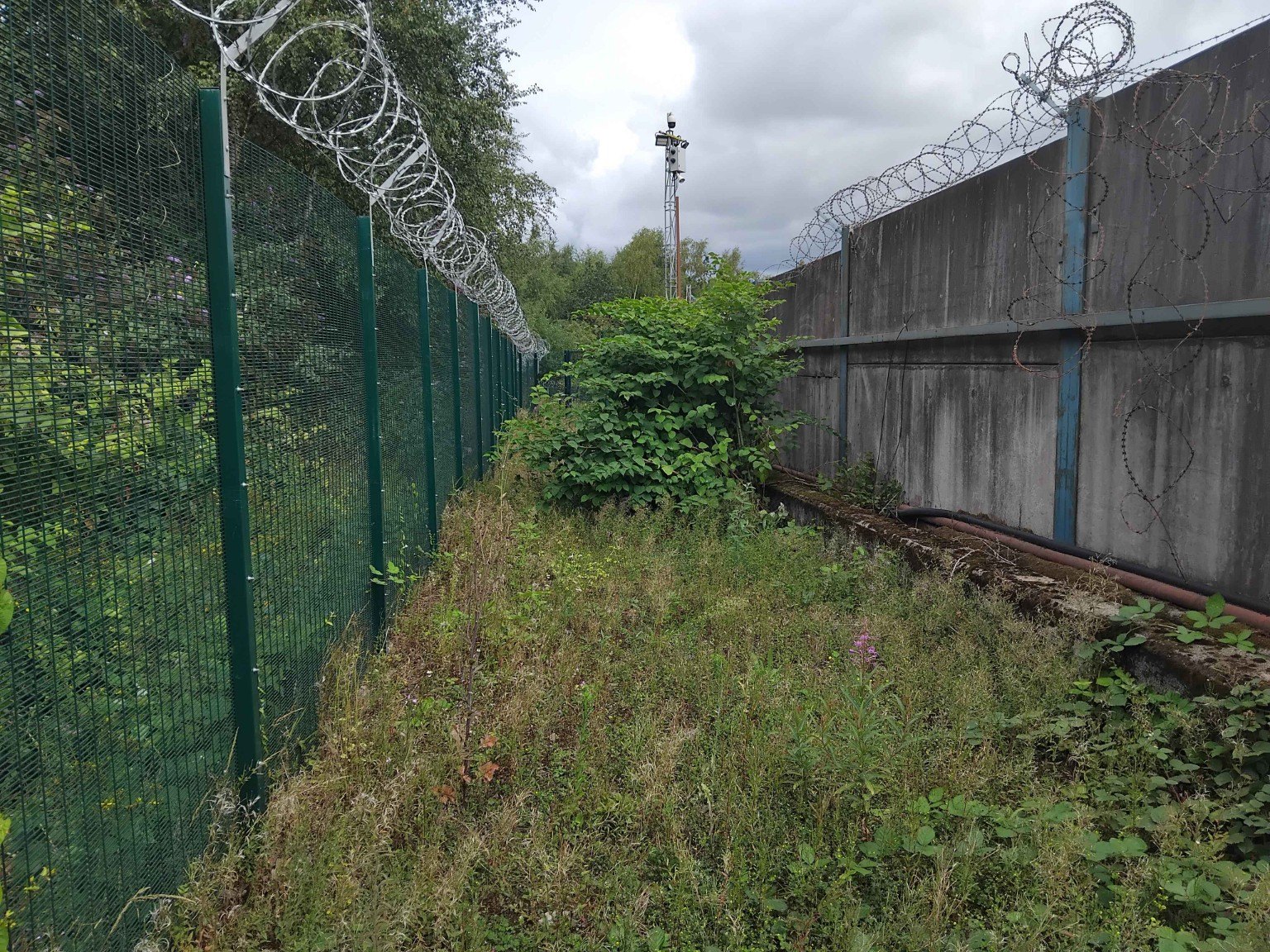
We welcome enquiries from housing providers, managing agents, developers, contractors, environmental consultants, local authorities and landowners. Whether the site is a single property or a wider corridor, the first step is to understand where the plants are and how the site is used.
We can identify suspected plants, survey visible growth and document the constraints that affect the response.
We can propose a management plan, herbicide treatment and monitoring suited to the site and its timetable. Work near a watercourse calls for particular care and site-specific assessment.
Discuss the reports, treatment records and follow-up information your team needs for handover or ongoing management.
Brownfield and previously developed land can contain established Japanese knotweed and other invasive plants alongside disturbed ground, difficult access, buried infrastructure and construction deadlines.
Survey visible growth and record its extent so invasive-plant constraints can be considered alongside due diligence, site layout and programme planning.
Map affected areas, agree a management approach and reduce the risk of site activity spreading invasive material into clean ground or neighbouring land.
Provide management plans, targeted treatment, monitoring and clear records that can support project teams through changing site conditions and handover.
Where a site includes a river, ditch or other watercourse, see our Rivers & Watercourses service → For identification beyond Japanese knotweed, see Other invasive plants →
Share the location, photographs and any deadline. We will discuss what a useful first assessment looks like.